

Our Work Areas
Justice
Safeguard our Health – NO to Gutting Chemical Safety
Living in today’s world, we know that our health depends not just on our genes or our lifestyles but the extent to which our food, water, air, working conditions, indoor spaces, and products are safe and free from toxic chemicals. At BCPP, we believe everyone deserves to live in environments which support, protect, and even improve our health.
Yet many toxic chemicals currently contaminate our homes, workplaces, schools, neighborhoods, working lands, and natural areas like parks. Use of toxic chemicals in plastics, industrial processes, consumer products, and more exposes people mostly without their knowledge or consent, as the chemicals from water, air, soil, and products get into our bodies and increase our risk of diseases including but not limited to breast cancer.
When companies exploit weak rules and pollute to increase profits—regardless of the impact on our health and safety—they shift the financial and health burdens onto workers, families, and communities, often leaving behind long legacies of environmental injustice and irreversible personal loss.
When a beloved aunt, mother, co-worker, or community member, who lives in an area where the air, water or working facility is contaminated with chemicals linked to breast cancer, is diagnosed with breast cancer and dies too young, that loss can’t be made whole.
The Chemical Safety Law for Our Health
In the U.S., the main chemical safety law is the Toxic Substances Control Act (TSCA). TSCA tasks the Environmental Protection Agency (EPA) with protecting public health by ensuring chemicals on the market are safe.
Originally passed in 1976, but so woefully weak on health protections that the EPA could not even ban asbestos (a notorious cancer-causing chemical), TSCA was reformed in 2016. Many public interest organizations, including a broad coalition of health and environmental organizations1, campaigned to win provisions to better protect health[2]. Breast Cancer Prevention Partners was actively involved in that campaign. One of the key provisions of that reform was a requirement that EPA affirmatively find that a chemical is safe before it’s put out in the market.
Threats to our Chemical Safety Law
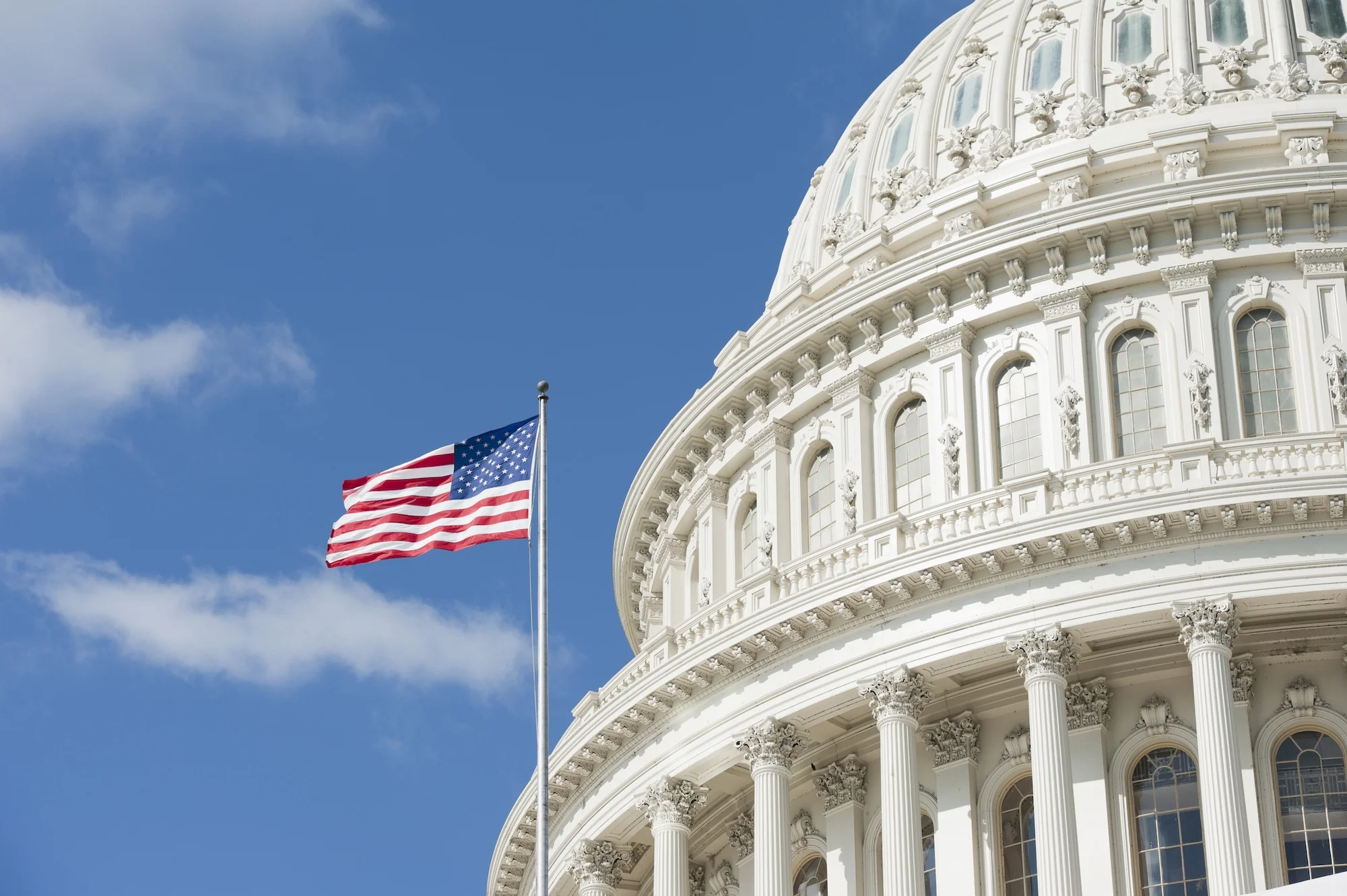
Now ten years later, we are facing the real possibility that TSCA will be weakened, including a rollback of the process to ensure a chemical is safe before it is put on the market. The Alliance for Health and Safe Chemicals, a national coalition of organizations and networks including BCPP, is warning of new attempts in Congress to dismantle core protections of TSCA and make it easier for toxic chemicals to enter homes, schools, and workplaces. The draft bills in both the Senate and the House of Representatives to gut TSCA indicate a coordinated effort to roll back protections against toxic chemicals and undermine the EPA’s ability to protect public health.
The draft House bill would roll back much of the progress our nation has made over the last decade by making it much harder – and in many instances impossible – for the EPA to take action on dangerous chemicals that threaten the health of millions of Americans. These are the very chemicals that Congress resolved to address in 2016 after decades of inaction.
Since 2016, the EPA has banned or restricted dangerous chemicals linked to cancer, including TCE, methylene chloride, and asbestos, known to cause cancer, birth defects, reproductive harm, and other serious diseases, protecting workers, families, and communities across the country3.
The House and Senate draft bills would also hamper the ability of states to protect their own residents from harmful chemicals like PFAS. As a result, the public – especially children, workers, and fenceline communities – would suffer from more cancer, infertility, cardiovascular disease, Parkinson’s disease, birth defects, and other harms. Over 250 state, local, and national public health and environmental groups have stood up in opposition to these drafts, urging Senators and Representatives to reject any attempt to weaken TSCA.
Real World Blindness
One of the ways the House bill would amplify environmental injustice is by stopping the EPA from considering aggregate exposures and risks. People are routinely exposed to a chemical from multiple sources – the air they breathe, the water they drink, their work environment and the products in their home. This is especially true for people living in frontline communities (communities living next to manufacturing or other polluting facilities), as explained here. The House bill would make it much harder for the EPA to examine the combined impact from all the exposure pathways and all the sources that put people at risk, resulting in inadequate protection from real-world conditions and their health consequences. This change to EPA’s authority when assessing whether companies should be allowed to use a certain chemical or emit certain pollutants could worsen existing environmental injustices or create new ones.
Further policy detail on the significant rollbacks contained in the draft bills can be found here:
NGO Letter to House Energy & Commerce Committee January 2026
Senate Republicans’ Sledgehammer To Our Nation’s Chemical Safety Law
“With breast cancer rates unacceptably high in the U.S. and rising among younger women, we cannot weaken federal safeguards against cancer-causing and hormone-disrupting chemicals in our products and environment,” said Nancy Buermeyer, Director of Program and Policy at Breast Cancer Prevention Partners. “Preventing toxic exposures is essential to protecting women’s health and reducing breast cancer risk.”
Its time to say no to more pollution and contamination that harms our health. Please take action here to tell your Congressional representative and senator to protect TSCA
[1] The broad coalition, Safer Chemicals Healthy Families, joined Toxic Free Future in 2020.
[2] These provisions in the law included assessing chemicals based on health standards, explicit protection for vulnerable populations, an expedited process for ordering chemical testing, and limited preemption of state programs. More details on the reform here: https://toxicfreefuture.org/federal-policy/toxic-substances-control-act-reform/an-abbreviated-guide/
FEATURED VIDEO
BCPP: Exposing the Cause is the Cure
We’re preventing breast cancer before it starts by eliminating our exposure to toxic chemicals and radiation.